
A Practical Pre-Event Safety Checklist Every Community Should Use
- Yoni Ari
- Dec 14, 2025
- 3 min read

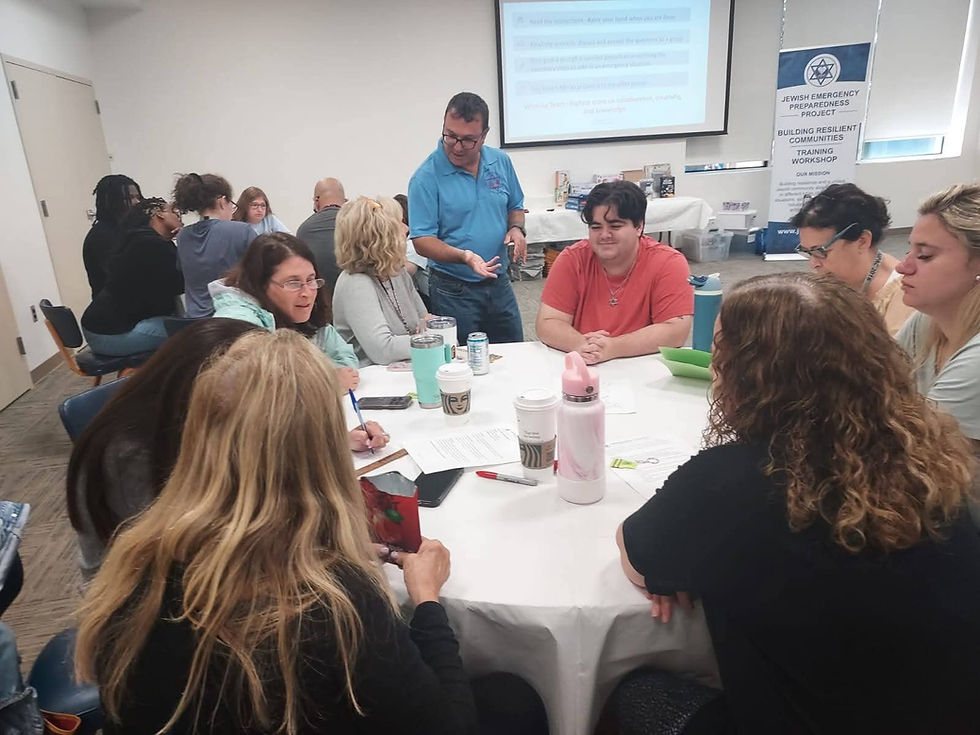
Community events are at the heart of Jewish life. Holiday celebrations, Shabbat dinners, festivals, lectures, and outdoor gatherings bring people together, strengthen connection, and create a sense of belonging. At the same time, recent events around the world remind us that public gatherings require thoughtful preparation to ensure they remain safe, welcoming, and resilient.
Preparedness does not mean turning celebrations into high-security operations. It means taking intentional, practical steps ahead of time so that if something unexpected happens, leaders, staff, and volunteers know how to respond calmly and effectively.
A pre-event safety checklist helps communities move from concern to clarity. It creates shared responsibility, reduces uncertainty, and allows everyone to focus on the purpose of the gathering.
Below is a practical framework JEPP recommends reviewing before every event, whether it is held indoors or outdoors, large or small.
Start With a Clear Picture of the Event
Before thinking about security measures, take a moment to define the event itself. Know how many people are expected, the age range of participants, and whether there are children, seniors, or individuals with disabilities who may need additional support. Consider the location, whether it is a familiar space or a new venue, and whether the event is open to the public or requires registration.
Clarity at this stage helps determine the level of preparation needed and prevents assumptions that can create gaps later.
Identify Roles and Responsibilities
Every event should have clearly identified leaders responsible for safety and coordination. This does not require a large team, but it does require clarity. Decide who is in charge overall, who communicates with first responders if needed, and who assists participants during an emergency.
Make sure staff and key volunteers know who these people are and how to reach them quickly. Confusion during a crisis often comes from unclear leadership, not lack of goodwill.
Review Access and Flow
Think about how people will enter and exit the space. Identify main entrances, secondary exits, and any areas that could become crowded or blocked. Make sure exits are clearly marked and unobstructed.
For outdoor events, consider natural boundaries, lighting, and nearby streets or parking areas. For indoor events, review hallways, stairwells, and rooms where people might gather during an evacuation or lockdown.
This step is about awareness, not fear. Simply knowing the flow of the space improves decision-making if plans need to change quickly.
Establish Simple Emergency Protocols
Every event should have basic, easy-to-understand protocols for common scenarios such as evacuation, sheltering in place, medical emergencies, or a suspicious situation. These protocols should be simple enough to remember under stress.
Staff and volunteers do not need to memorize long documents. They need to know what action to take, who to notify, and how to guide participants calmly.
If your organization already has emergency procedures, review them briefly before the event and adapt them to the specific setting.

Prepare for Medical and First Aid Needs
Know who on site has first aid or medical training, and where supplies such as first aid kits or AEDs are located. Make sure these items are accessible and not locked away.
Have a plan for calling emergency medical services and guiding them to the correct location quickly. Even non-security incidents, such as fainting or injury, benefit greatly from advance planning.
Coordinate With Local Authorities When Appropriate
For larger or public events, consider notifying local law enforcement or security partners in advance. This does not always mean requesting on-site presence, but it does mean ensuring awareness and communication channels.
Knowing who to call and what information to provide can significantly reduce response time if assistance is needed.
Communicate Calmly and Clearly
Decide ahead of time how information will be shared during the event if something changes or an emergency occurs. Identify who will speak to participants and how messages will be delivered.
Clear, calm communication reduces panic and helps people follow instructions more effectively.
Debrief and Learn After the Event
Preparedness is an ongoing process. After the event, take a few minutes to reflect on what worked well and what could be improved. Even events that go smoothly offer valuable lessons for the future.
Over time, this habit builds stronger systems and greater confidence across the community.


Comments